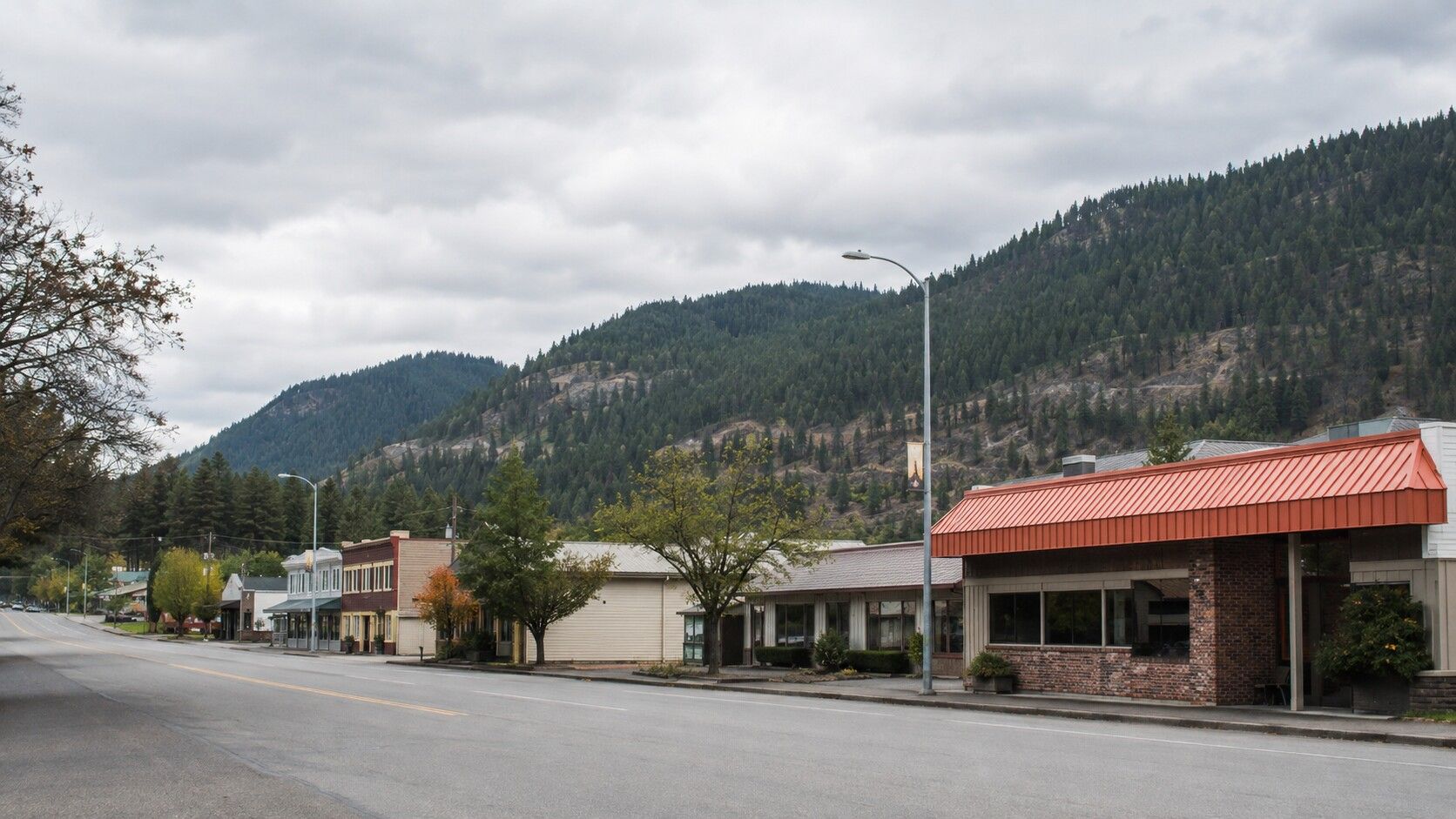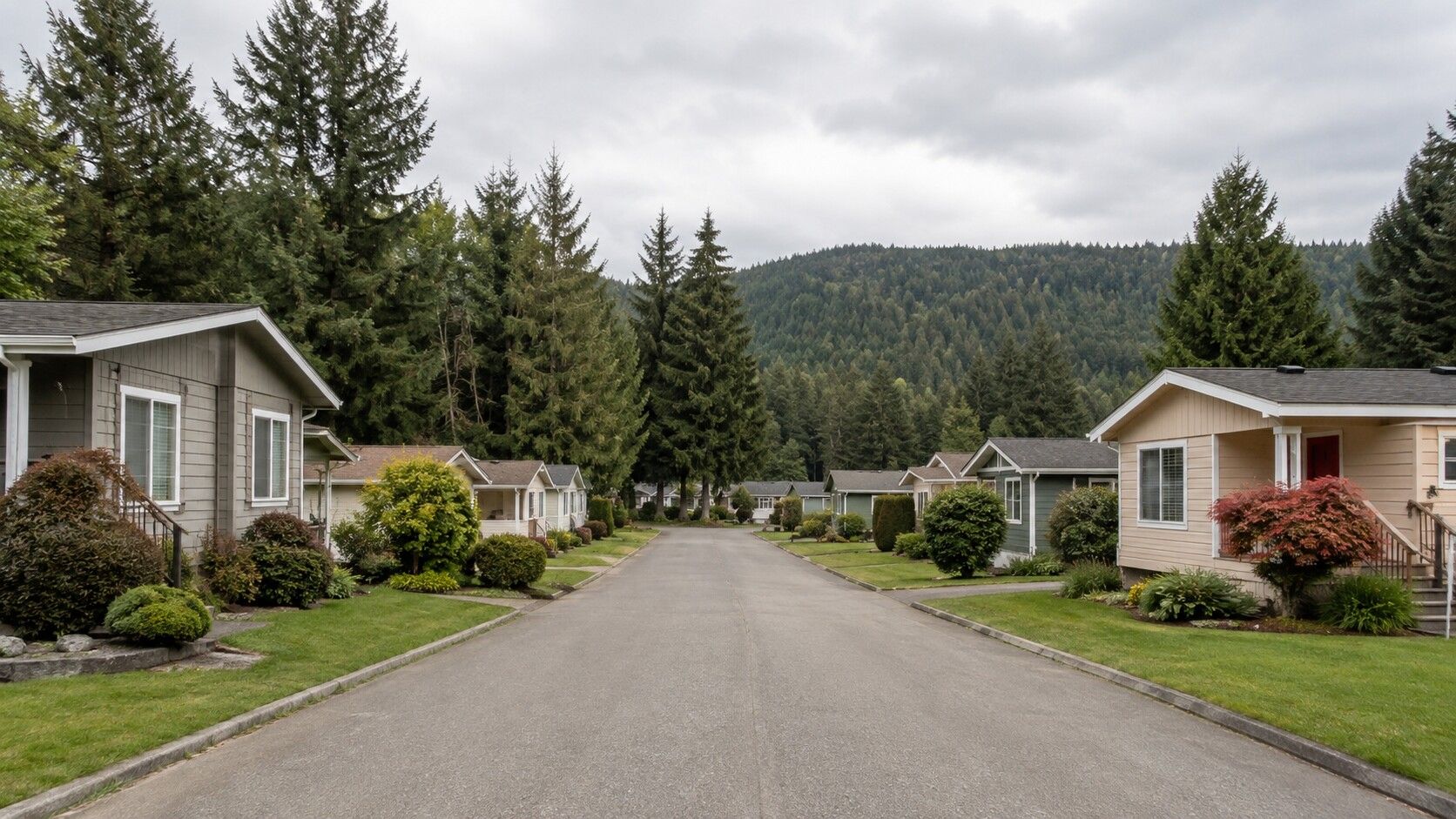
Castle Rock, Washington
Permanent homes.
Built to be affordable.
Eleven families housed today. Sixty is the goal.
Partner with usOperating today
Eleven homes, run since June 2026.
| Metric | Detail |
|---|---|
| Homes in operation | 11 |
| Occupancy | 100% |
| Households using Housing Choice Vouchers | 4, HAP contracts executed July 2026 |
| Self-managed since | June 2026 |
Why this, why here
Rural manufactured housing is disappearing. Nothing is replacing it.
Manufactured-home communities across rural Washington are closing as land is redeveloped, owners retire, and homes age past repair. When a community closes, the households living there often have nowhere comparable to go — a modest, owned home is hard to replace at the same cost, in the same county.
New multifamily development largely skips rural counties, because the unit economics don't work without public and philanthropic capital layered in. Nobody is building the replacement at the scale it's disappearing.
We started by buying and stabilizing one existing community. Homes in our communities are set on permanent foundations rather than treated as temporary or moveable structures. The proposed expansion is the same model, done again, at a scale a lead applicant makes possible.
What we build
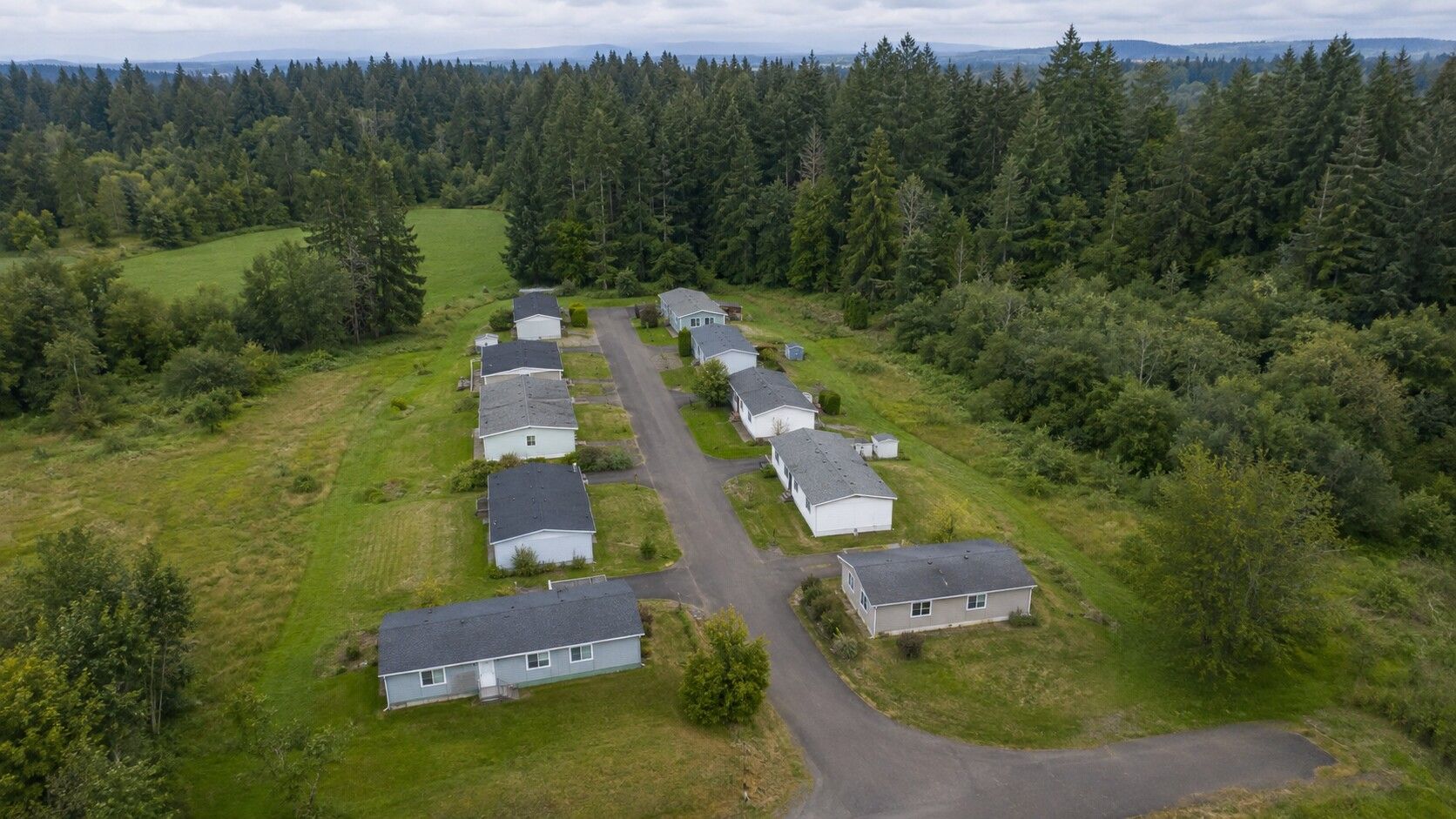
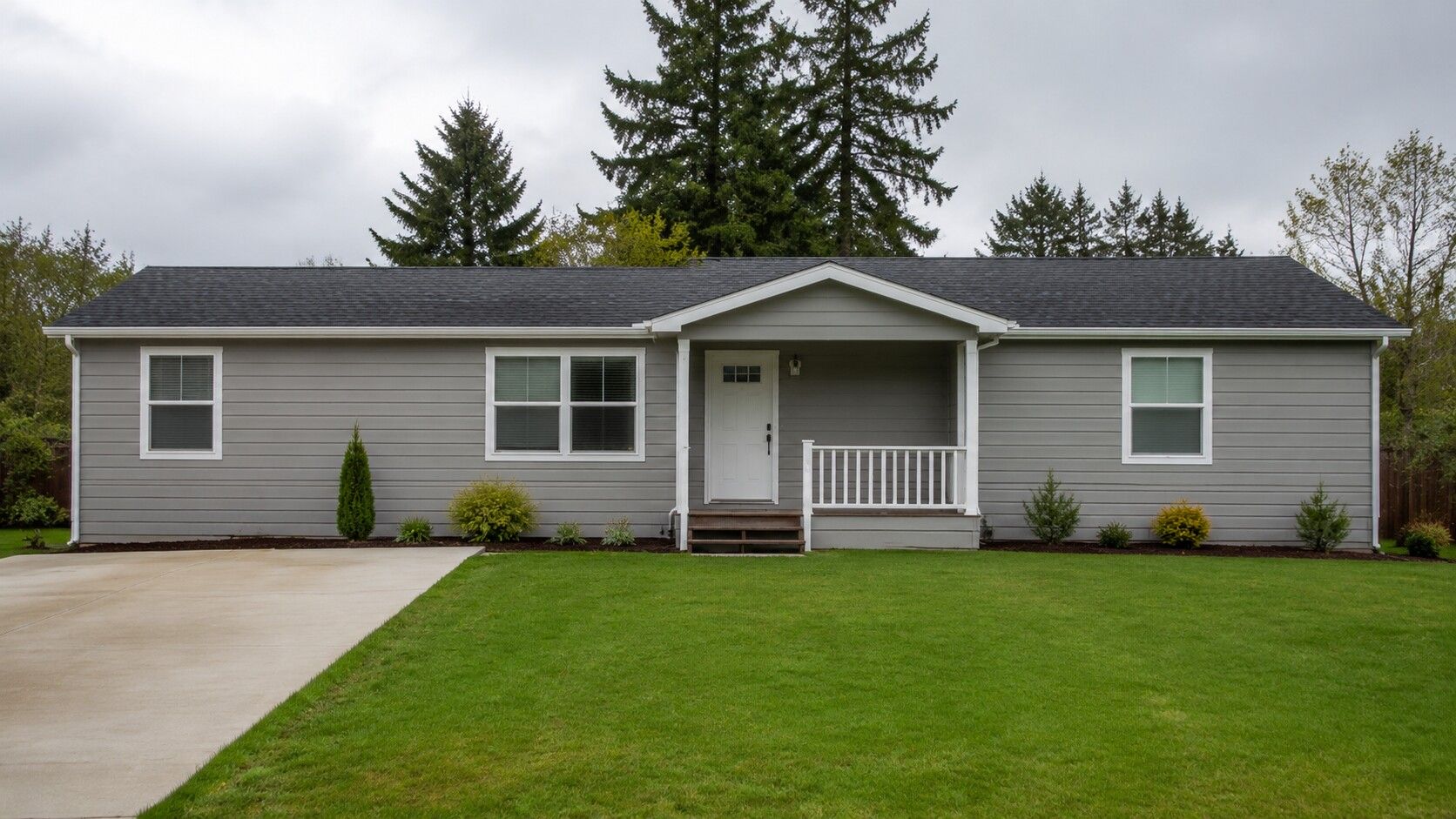
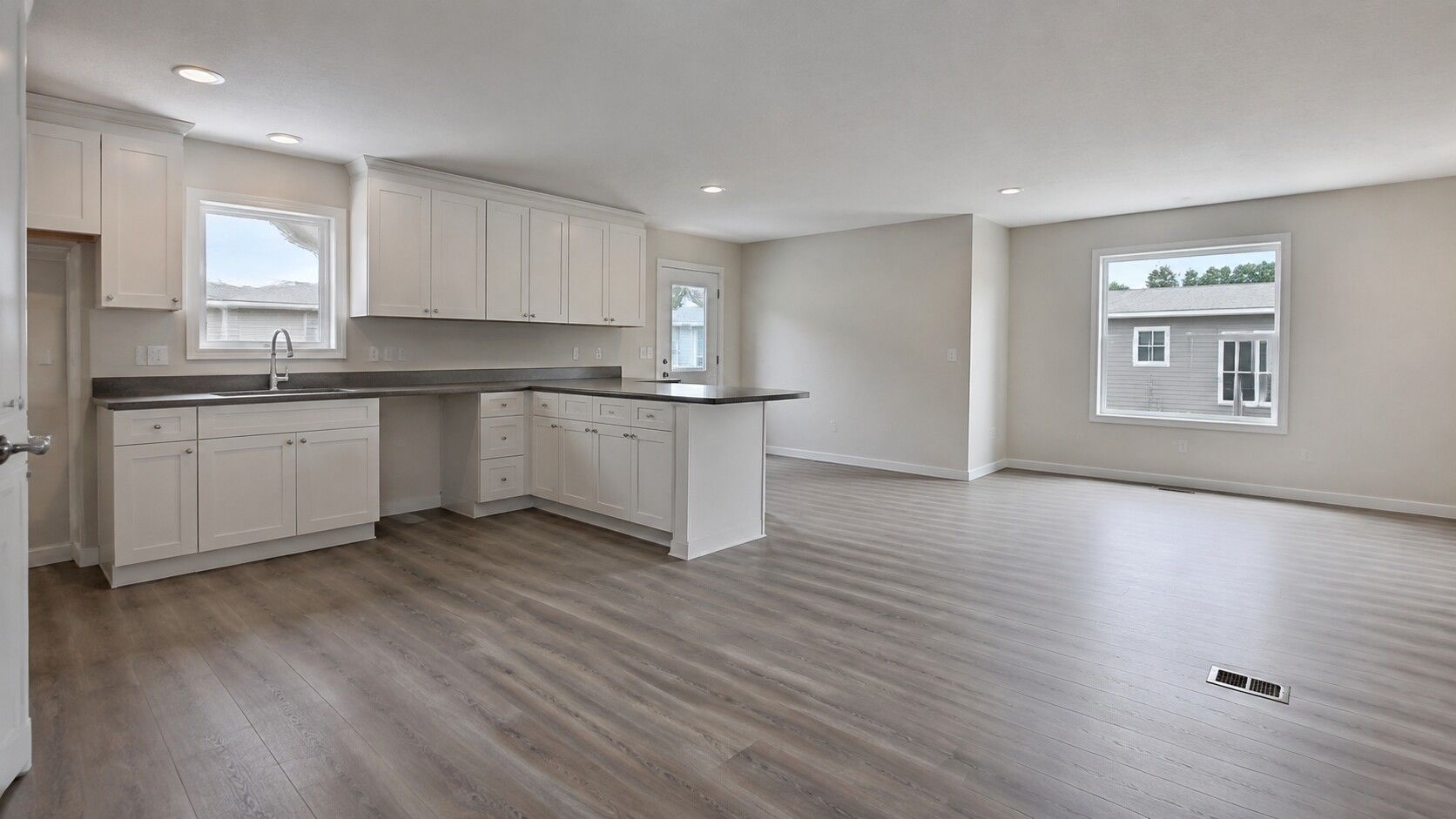
Four housing types.
One purpose.
How this works
The structure, and where we sit in it.
We are the development manager and operator, under contract at disclosed compensation — not the lead applicant. Washington HTF, HOME and National HTF all require an eligible nonprofit, tribal or public lead applicant, and we don't have one yet.
| Party | Role | Why |
|---|---|---|
| Eligible nonprofit or public agency | Lead applicant | Required by Washington HTF, HOME and National HTF. |
| Existing Camelot entity | Contributes/ground-leases land | A real operating record, not a paper one. |
| Project-specific entity | Owns the expansion improvements | Separates project accounting. |
| Blue Horizon Estates Camelot, LLC | Development management, operations | Disclosed, reasonable compensation. |
| Property management partner | Compliance, leasing, reporting | Durable capacity for the life of the covenant. |
The ask
We need a nonprofit, tribal, or public lead applicant.
Washington Housing Trust Fund, HOME, and the National Housing Trust Fund all require an eligible nonprofit, tribal, or public agency as the applicant of record. We can build, carry construction risk, and operate — we cannot apply. Right now, we don't have that partner.
What we bring
- An operating community. Eleven homes, 100% occupied, self-managed since June 2026.
- Site control. We own the land the expansion would sit on.
- Development management. Factory sourcing, construction coordination, and long-term operations, under a written contract at disclosed compensation.
- Diligence material, ready now. Title, rent roll, operating statements, and entity documents.
What we're asking for
- Lead applicant status. Your organization applies; we do not.
- Board authorization to take on that role.
- Independent approval of our related-party development contract and compensation.
- Compliance capacity for the life of the affordability covenant, up to 60 years.
If this isn't a fit for your organization, tell us why — that's useful too. If it might be, we'd rather find out now than after a submission deadline.